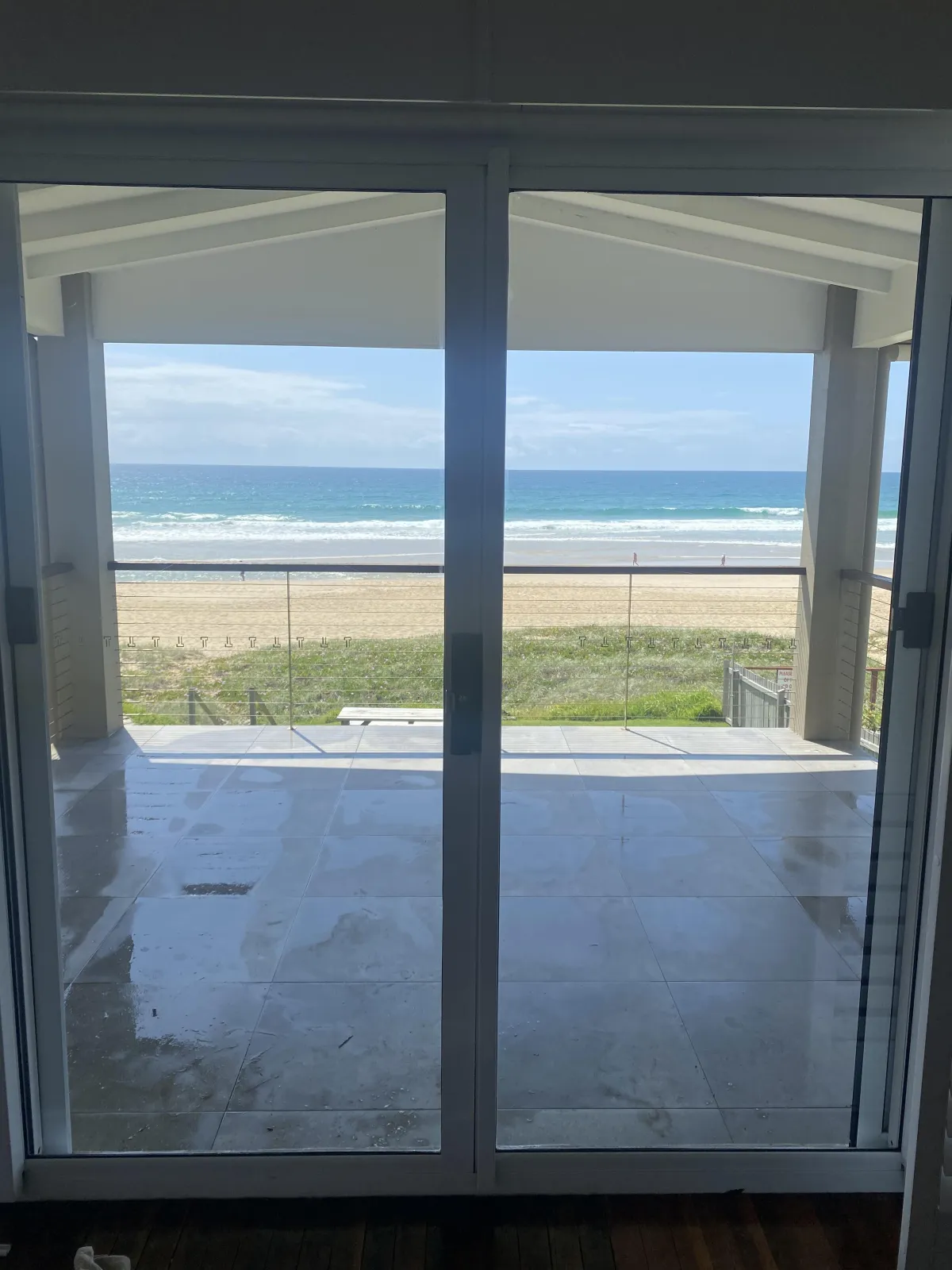
Why Beachfront Windows Need More Attention | Zen Window Cleaning Gold Coast
You bought beachfront property on the Gold Coast for the view. Ocean access, sunrise over the water, that constant breeze. But within weeks of having your windows cleaned, they're hazy again. Salt everywhere. The view you paid for is obscured by white residue and streaky glass.
Beachfront living comes with a salt tax. It hits everything — windows, balustrades, outdoor furniture, cars. And glass copping constant salt spray needs more frequent attention than properties inland. Here's why, and what frequency actually works.
TLDR QUICK ANSWER:
Near beach (within 1km): 6 months maximum between cleans
Absolute beachfront: quarterly minimum, monthly in summer for ocean-facing glass
Lower levels cop it worse than upper levels (5-6 storeys = noticeable difference)
South of Main Beach gets hit hardest (Mermaid Beach, Burleigh, Currumbin)
Frequency matters more than products — technique and timing beat expensive solutions
You Bought Beachfront for the View
Beachfront properties across the Gold Coast — from Hope Island to Tweed Heads — sell on proximity to the ocean. The view. The lifestyle. Waking up to sunrise over the water.
But salt-covered windows defeat the entire purpose. Your ocean view turns into a hazy mess. The glass that's supposed to showcase your location becomes the thing obscuring it.
This isn't cosmetic. It's the primary reason you're there. Clean glass = enjoying what you paid for. Dirty glass = wasted investment.
The Beachfront Salt Tax
Salt doesn't just appear when waves crash. Wind carries it constantly. Morning breeze, afternoon sea breeze, overnight wind — all delivering microscopic salt particles that land on every surface.
How Salt Affects Glass
Salt attracts moisture from the air. Once it lands on glass, it creates a film that collects more dirt, more salt, more grime. The buildup accelerates. Fresh clean one week, noticeably hazy three weeks later.
Salt isn't as bad as hard water minerals (calcium and lime are worse for permanent damage), but it doesn't do glass any favors. Left beyond 6 months, it contributes to surface degradation that becomes harder to reverse.
Lower Levels Cop It Worse
Properties at ground level or lower floors (up to 5-6 storeys) accumulate salt faster than upper levels. Wind-driven spray concentrates closer to the ground. By the time you're 6+ storeys up, exposure drops noticeably.
Geography Matters
Every suburb on the water from Hope Island to Tweed Heads deals with salt. But everything south of Main Beach gets hammered hardest — Mermaid Beach, Burleigh Heads, Palm Beach, Currumbin. Prevailing winds and ocean currents make southern beaches more aggressive for salt exposure.
How Often Beachfront Windows Need Cleaning
Frequency matters more than anything else when managing beachfront glass. Here's the realistic breakdown:
Near Beach (Within 1km)
Maximum 6 months between cleans. This prevents salt buildup from contributing to long-term damage. Twice a year keeps glass in good condition without excessive cost.
Absolute Beachfront
Quarterly minimum. Every 3 months keeps glass consistently clear and prevents the accelerated buildup that happens with direct ocean exposure.
Ocean-Facing Glass (Direct Exposure)
Monthly maintenance during summer months is common. Glass facing the ocean cops the worst of it — morning dew, afternoon sea breeze, overnight wind. Monthly service keeps it ahead of the buildup rather than constantly catching up.
Winter vs Summer
Summer brings more aggressive salt exposure — higher humidity, stronger sea breezes, more days with onshore winds. Winter is milder. Many beachfront properties stretch cleaning intervals slightly in winter (monthly becomes 6-weekly, quarterly becomes 4-monthly).

Why Technique Matters More Than Products
You'd think beachfront glass needs special products or commercial-grade solutions. It doesn't. What it needs is proper technique and realistic frequency.
Dish Soap Still Works
Regular dishwashing liquid (not antibacterial) cuts through salt effectively. The challenge isn't the product — it's how salt contaminates your cleaning solution.
Salt Contaminates Water Instantly
Once you start cleaning salt-covered glass, the salt dissolves into your bucket. Within minutes, you're spreading salty water back onto clean glass. Solutions need changing every couple of hours maximum to prevent re-contamination.
Less Soap, Better Technique
Salt sucks moisture from water mix faster than regular dirt. Too much soap and you're left with residue as water evaporates quickly in coastal conditions. Less soap, faster work, better squeegee technique — that's what delivers clean results.
Why DIY Struggles
DIY beachfront cleaning fails because most people don't know about the contamination issue. They use the same bucket of water for the whole house, spreading salt residue onto every window. Then they wonder why everything still looks hazy.
What Professional Beachfront Cleaning Includes
Professional beachfront cleaning accounts for the salt factor:
Fresh water changes every couple hours to prevent re-contamination
Proper soap ratios that work with coastal conditions
Squeegee technique adapted for fast-drying salt residue
Realistic frequency recommendations based on actual exposure
Understanding that lower levels need more attention than upper levels
The Reality of Beachfront Maintenance
Beachfront glass is a constant battle, not a one-time fix. Accept this upfront:
You Can't "Win"
Salt will return. Wind doesn't stop. Ocean spray doesn't take breaks. The goal isn't eliminating salt — it's staying ahead of buildup through regular maintenance.
Frequency Trumps Everything
Quarterly beachfront cleaning delivers better long-term results than annual deep cleans with expensive products. Consistent maintenance prevents the aggressive buildup that becomes harder to remove.
The View is Worth It
You paid for beachfront location. Clean glass lets you enjoy that investment. Salt tax is real, but manageable with the right frequency and technique.
KEY TAKEAWAY
Beachfront Gold Coast properties from Hope Island to Tweed Heads need more frequent window cleaning than inland homes. Near beach: 6 months max. Absolute beachfront: quarterly minimum. Ocean-facing glass: monthly in summer. South of Main Beach cops it worst. Lower levels (below 5-6 storeys) accumulate salt faster. Frequency and technique matter more than expensive products. Regular dishwashing liquid works — the challenge is changing water frequently and adapting squeegee technique. Properties in Mermaid Beach, Burleigh Heads, Currumbin, and Palm Beach benefit from regular beachfront maintenance schedules. Enjoy your view without the salt tax ruining it — get your online estimate or give us a call.
Ready to Stay Ahead of the Salt?
See what regular beachfront maintenance looks like. Get an online estimate or give us a call.
